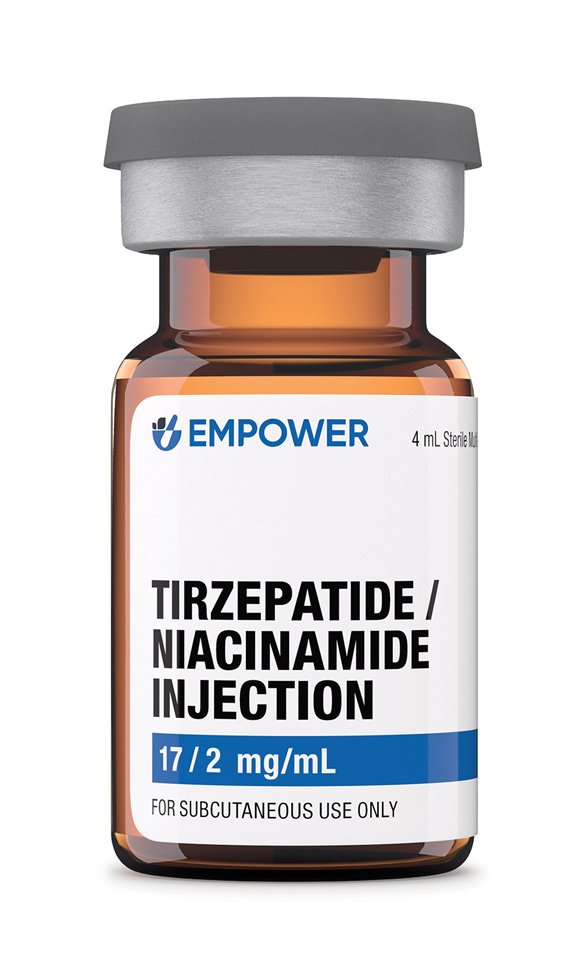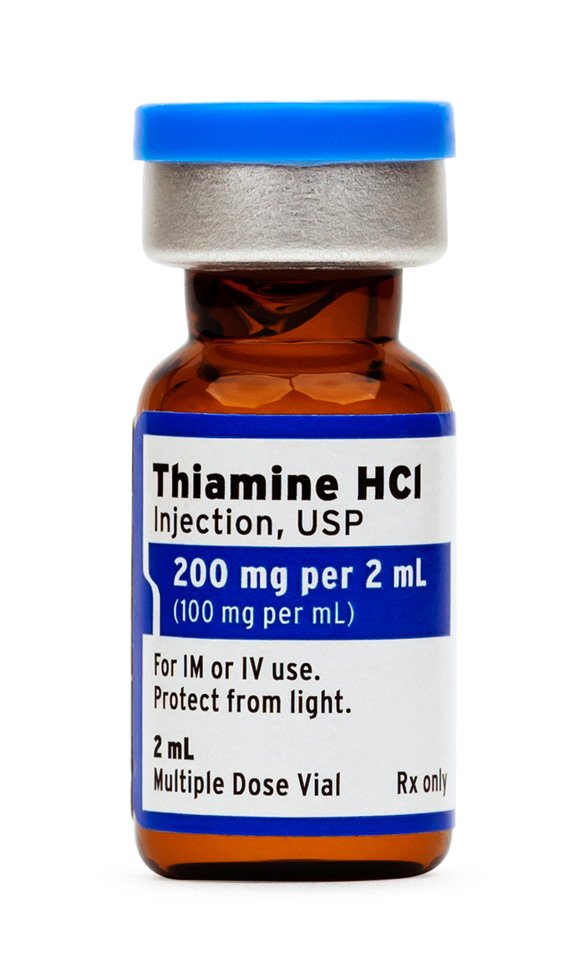
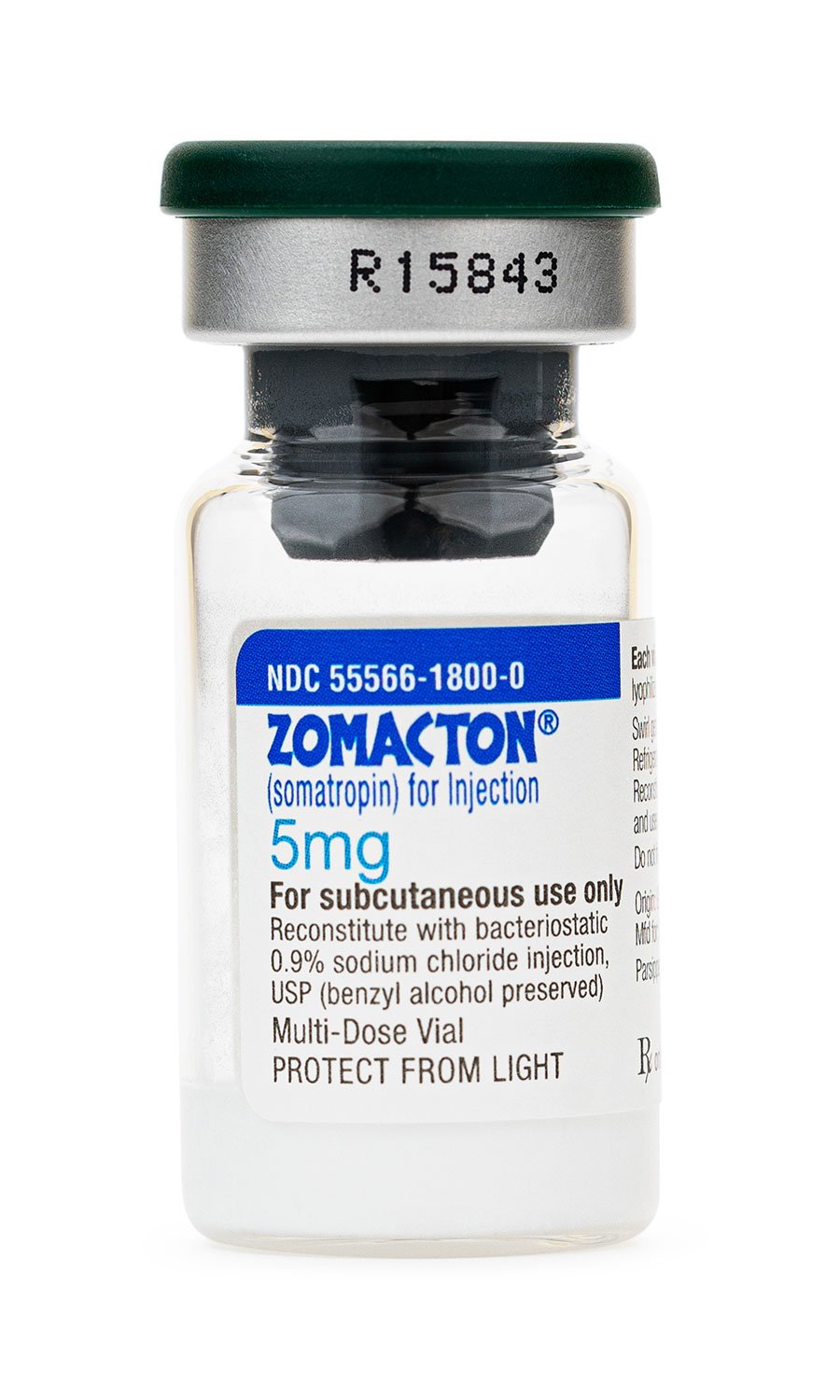
Zomacton Injection is a commercially manufactured formulation of somatropin, a recombinant human growth hormone produced by Escherichia coli through recombinant DNA technology. Each single-use vial contains 5 mg of bio-identical polypeptide corresponding to the endogenous 191-amino-acid sequence of pituitary-derived growth hormone, reconstituted by the pharmacy to a sterile, isotonic injectable solution suitable for subcutaneous administration.
Clinically, somatropin is indicated for a spectrum of growth hormone deficiency states that may present during childhood or adulthood, including but not limited to idiopathic short stature, Turner syndrome, Prader-Willi syndrome, small for gestational age with failure to demonstrate catch-up growth by age two, and adult onset deficiency secondary to pituitary pathology. Off-label use for metabolic optimization, sarcopenia, or recovery from catabolic illness remains controversial and should be carefully weighed against potential adverse outcomes. Because compounded Zomacton Injection is dispensed only pursuant to a valid patient-specific prescription, each batch undergoes pharmacist verification of strength, sterility, and endotoxin limits prior to release, yet the preparation has not been formally reviewed for safety or efficacy by the Food and Drug Administration, necessitating ongoing clinical monitoring.
Dosing must be individualized according to the indication, patient age, and clinical response. For pediatric growth hormone deficiency, an initial regimen of 0.16 to 0.24 mg/kg/week divided into daily or six-times-weekly injections is customary, with adjustments every 4 to 8 weeks based on height velocity and serum IGF-1 centile targets. Children with Turner syndrome or chronic renal insufficiency may require up to 0.35 mg/kg/week due to partial resistance at the receptor level. Adult replacement therapy typically begins at 0.15 to 0.30 mg/day, titrated in increments of 0.05 to 0.10 mg every 1 to 2 months to maintain IGF-1 within the age-adjusted upper-normal range while avoiding dose-limiting edema or arthralgia. Subcutaneous administration in the evening may better mimic physiologic nocturnal surges of growth hormone, although timing flexibility exists provided adherence is consistent.
Somatropin binds to the extracellular domain of the human growth hormone receptor (hGHR) present on hepatocytes, adipocytes, skeletal muscle fibers, and chondrocytes. Ligand engagement triggers receptor dimerization and activation of Janus kinase 2 (JAK2), which in turn phosphorylates downstream Signal Transducer and Activator of Transcription 5 (STAT5) proteins. Phosphorylated STAT5 translocates to the nucleus and up-regulates transcription of insulin-like growth factor-1 (IGF-1) and other anabolic mediators. IGF-1 produced primarily in hepatic tissue circulates in a ternary complex with IGF binding protein-3 and the acid-labile subunit, extending its half-life and broadening systemic tissue effects. The net physiologic outcome includes stimulation of longitudinal bone growth at the epiphyseal plate in children, increased nitrogen retention, enhanced lipolysis, and modulation of carbohydrate metabolism via antagonism of peripheral insulin signaling.
In adults with growth hormone deficiency, exogenous somatropin has been observed to improve lean body mass, decrease visceral adiposity, and normalize serum lipid profiles, effects that are mechanistically linked to increased mitochondrial oxidative capacity and augmented β-oxidation within adipose depots. Nonetheless, supraphysiologic exposure may induce counter-regulatory hyperinsulinemia, diminished insulin sensitivity, and modest fluid retention owing to hGHR-mediated activation of renal sodium channels. These complex endocrine dynamics underscore the importance of individualized titration guided by serum IGF-1 concentrations, clinical endpoints such as height velocity in pediatric patients, and surveillance for metabolic derangements.
Use of somatropin is contraindicated in patients with acute critical illness resulting from complications following open heart surgery, abdominal surgery, multiple accidental trauma, or those with acute respiratory failure, as two randomized controlled trials demonstrated increased mortality in patients receiving high-dose growth hormone compared with placebo. Additionally, any evidence of active malignancy is an absolute contraindication since growth hormone can enhance tumor cell proliferation directly via hGHR or indirectly through elevated IGF-1 signaling. Patients with proliferative or preproliferative diabetic retinopathy should not receive Zomacton Injection, and therapy must be discontinued if persistent severe upper airway obstruction or worsening sleep apnea is diagnosed.
Compounded Zomacton Injection should be withheld in children with closed epiphyses because additional linear growth is physiologically implausible and risks include disproportionate tissue hypertrophy. Hypersensitivity to somatropin or any excipient in the reconstituted diluent, including benzyl alcohol if chosen as a preservative, represents a further contraindication. While somatropin is often used in patients with Prader-Willi syndrome, clinicians must exercise caution: the presence of severe obesity, antecedent respiratory infection, or a history of airway compromise may predispose to sudden fatality. Therefore, a comprehensive risk-benefit evaluation, inclusive of ENT assessment for adenotonsillar hypertrophy, is mandatory before initiation.
Somatropin can alter the pharmacokinetics of concurrently administered agents via induction of cytochrome P450 isoenzymes, particularly CYP3A4, though the magnitude of effect is modest at therapeutic doses. Clinicians should nonetheless monitor serum levels or pharmacodynamic endpoints of drugs with narrow therapeutic indices such as cyclosporine and certain antiretrovirals. Glucocorticoid replacement exceeding physiologic dosing may antagonize the growth-promoting action of somatropin by down-regulating growth hormone receptors, mandating careful adjustment of hydrocortisone or prednisone regimens in patients with concomitant adrenal insufficiency.
Oral estrogen therapy in females has been shown to attenuate serum IGF-1 responses to somatropin, necessitating higher peptide doses to achieve target IGF-1 centiles compared with transdermal estrogen preparations. Conversely, androgen supplementation may potentiate the anabolic effects of growth hormone, which can be advantageous in certain wasting conditions yet also elevate the risk of arthralgia and edema. Antidiabetic medications, particularly insulin and insulin secretagogues, may require dose titration as somatropin initially reduces insulin sensitivity; fasting plasma glucose and hemoglobin A₁c should be measured periodically.
The adverse effect profile of Zomacton Injection parallels that of other somatropin products and is generally dose-dependent. Common events include injection-site reactions characterized by transient erythema, pruritus, or lipoatrophy when rotation of sites is inadequate. Peripheral edema, myalgia, and arthralgia are attributed to sodium and water retention mediated via renal epithelial sodium channel activation; these symptoms often resolve with dose reduction. In pediatric populations, slipped capital femoral epiphysis, scoliosis progression in susceptible individuals, and transient benign intracranial hypertension have been reported, necessitating prompt evaluation of limping, back pain, or new-onset headaches.
Rare but serious adverse events comprise pancreatitis, manifested by abdominal pain radiating to the back with elevated serum amylase and lipase; new-onset type 2 diabetes mellitus arising from insulin resistance; and leukemic transformation, though causal linkage remains uncertain. Theoretical risk of neoplasm recurrence persists beyond the treatment window, prompting extended surveillance in cancer survivors. Antibody formation against somatropin is infrequent and typically non-neutralizing; nonetheless, growth attenuation in the presence of adequate serum IGF-1 should prompt testing for binding antibodies.
Somatropin is categorized as Pregnancy Category C. Reproductive studies in rodents using recombinant human growth hormone have revealed no definitive teratogenicity, yet doses considerably higher than those used clinically produced reversible maternal insulin resistance. Placental transfer of endogenous growth hormone increases in the second and third trimesters, gradually replacing pituitary-derived maternal growth hormone with placental variants. Limited human data do not implicate exogenous somatropin in congenital anomalies, but controlled studies are lacking.
Consequently, Zomacton Injection should be administered during pregnancy only when potential maternal benefit justifies potential fetal risk, and therapy is commonly suspended once pregnancy is confirmed to minimize unnecessary exposure.
Unreconstituted lyophilized Zomacton vials should be stored under refrigerated conditions between 2 °C and 8 °C. Protect from light by retaining the original carton until use. Following reconstitution with bacteriostatic water or sodium chloride 0.9 %, compounded solution stability is validated for up to 14 days under refrigeration when prepared in a 503A facility; however, single-use precautions dictate disposal 24 hours after first entry if a preservative-free diluent was utilized. The solution must not be frozen, and excursions above 25 °C for more than 24 hours warrant discard to prevent peptide aggregation and loss of potency.